news
San Francisco Airport Contractor Shares Facial Data with Federal Agencies
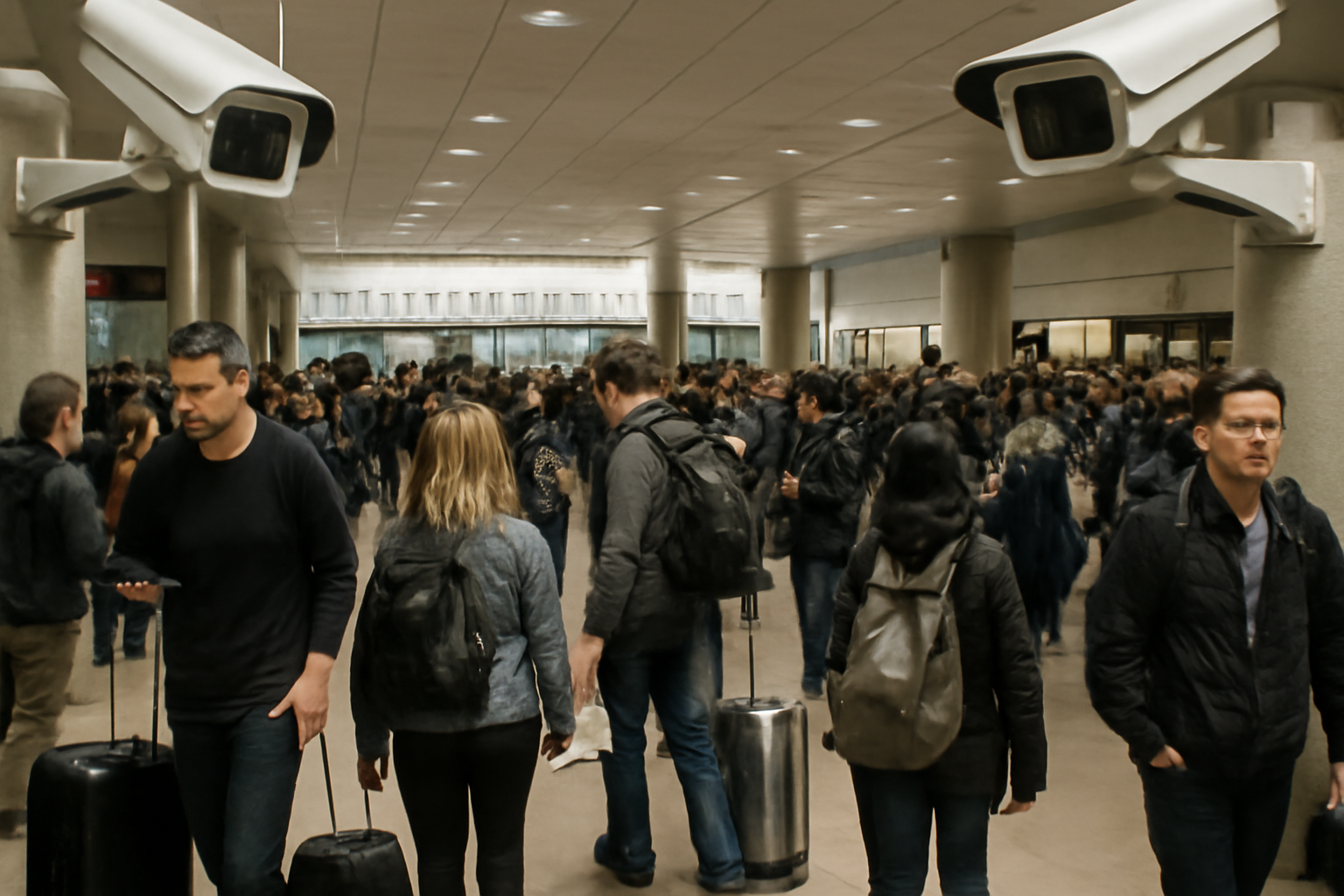
A contractor at San Francisco International Airport is reportedly sharing facial recognition data with federal agencies, according to critics who have raised concerns about privacy and the use of biometric data by government entities. The contractor's actions have sparked a debate over the implications of such data sharing, particularly in the context of privacy rights and surveillance.
The Mechanism of Data Sharing
The contractor, whose identity has not been disclosed, is said to be exporting facial recognition data collected at the airport to various federal agencies. This data includes images and other biometric information of passengers passing through the airport. The exact federal agencies receiving this data have not been specified, but the practice has raised alarms among privacy advocates who argue that it could lead to increased surveillance and potential misuse of personal information.
Privacy Concerns
Critics argue that the sharing of facial recognition data with federal agencies poses significant privacy risks. They contend that without proper oversight and regulation, such data could be used for purposes beyond its original intent, potentially infringing on individual privacy rights. The lack of transparency about which agencies receive the data and how it is used further exacerbates these concerns. Privacy advocates emphasize the need for clear guidelines and accountability measures to prevent potential abuses.
Regulatory and Legal Framework
Currently, there is no comprehensive federal regulation governing the use of facial recognition technology in the United States. This regulatory gap has led to a patchwork of state and local laws, with some jurisdictions imposing strict limitations on the use of such technology, while others have more lenient policies. The absence of a unified legal framework makes it challenging to address the privacy concerns raised by the sharing of biometric data. Efforts to establish federal guidelines have been met with resistance, highlighting the complexity of balancing security needs with privacy rights.
Industry and Government Response
Proponents of facial recognition technology argue that it enhances security and efficiency at airports, aiding in the identification of individuals who may pose a threat. They assert that the technology is a valuable tool for law enforcement and national security agencies. However, privacy advocates counter that the potential benefits do not outweigh the risks to individual privacy, calling for stricter regulations and oversight. The debate underscores the tension between technological advancement and the protection of civil liberties.
Glossary
- Biometric Data: Information derived from physical characteristics, such as facial features, fingerprints, or iris patterns, used for identification and authentication.
- Facial Recognition Technology: A system capable of identifying or verifying a person from a digital image or a video frame from a video source.
The debate over the use of facial recognition technology and the sharing of biometric data is likely to continue as privacy advocates push for more stringent regulations and transparency in how such data is collected, stored, and used.
mindfulAI Keyboard — An iPhone keyboard that rewrites a draft in a tone you pick. Four free AI actions a day.
Related reading and gear: Media criticism books.