news
Pew Study Links Press Freedom Value to Criticism Acceptance
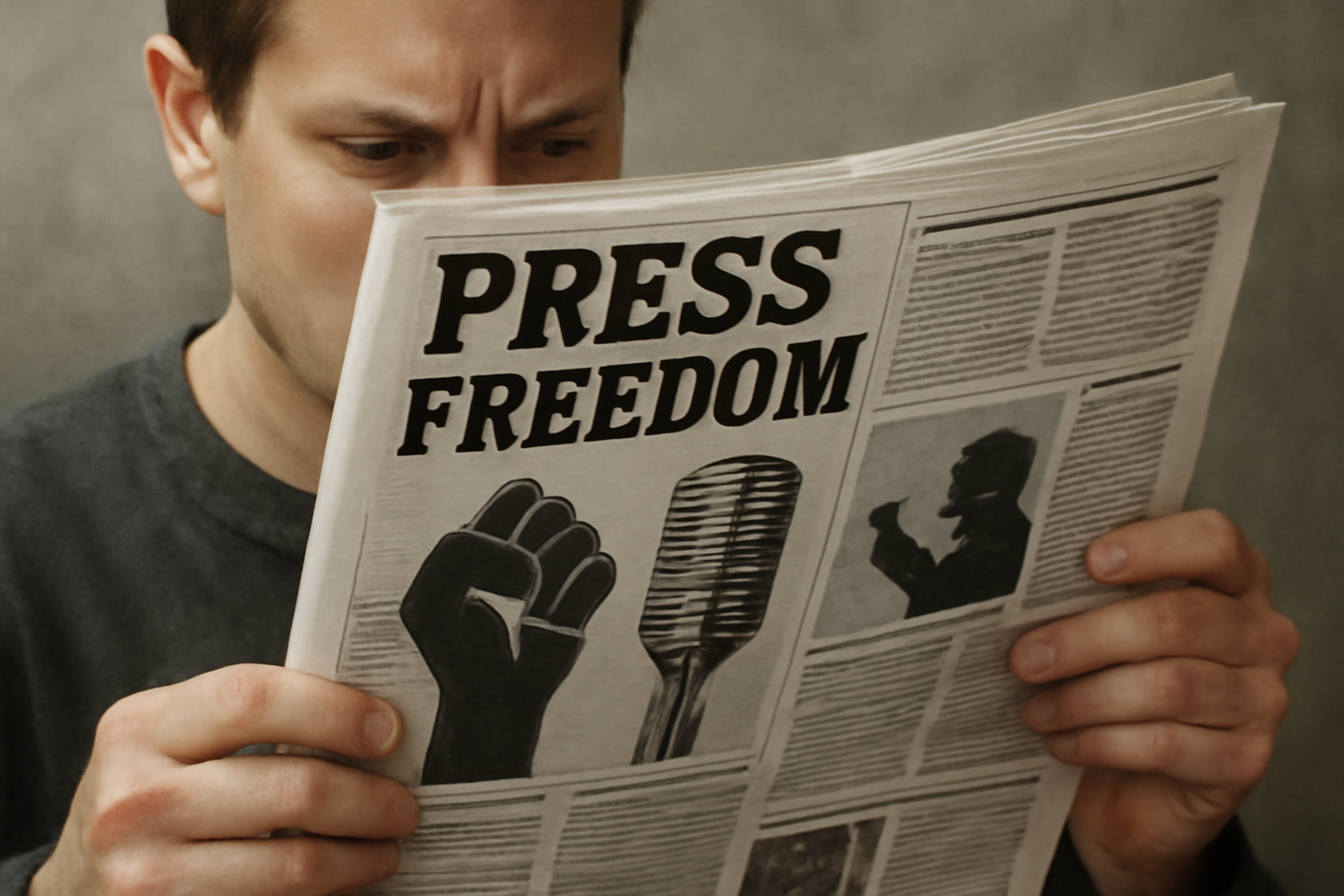
In a world where the media landscape is constantly evolving, the Pew Research Center has released a study that sheds light on the public's perception of press freedom and its impact on media criticism. The study reveals a significant correlation between valuing press freedom and the acceptance of criticism directed at journalists and politicians. According to the Pew Research Center, individuals who prioritize press freedom are more inclined to accept and even welcome critical discourse in the media.
The study's findings highlight the nuanced relationship between press freedom and media criticism. Those who see press freedom as a cornerstone of democracy are more likely to support the idea that journalists and politicians should be subject to scrutiny. This perspective aligns with the belief that a free press serves as a watchdog, holding power to account and fostering transparency.
However, the study also indicates that not everyone shares this view. There is a segment of the population that remains skeptical of media criticism, often perceiving it as biased or unfair. This skepticism can be attributed to various factors, including political affiliations and personal experiences with media coverage. For instance, individuals with strong partisan identities may view media criticism through a lens of distrust, particularly if they perceive the media as opposing their political beliefs.
The Pew Research Center's study is based on a comprehensive survey that gathered data from a diverse group of respondents. The survey included questions about the importance of press freedom, attitudes towards media criticism, and the perceived role of journalists in society. The results underscore the complexity of public opinion on these issues and the challenges faced by the media in maintaining credibility and trust. The study also highlights regional differences, with respondents from different parts of the country expressing varying levels of trust in the media.
What to Watch
- Public Perception Trends: Monitor shifts in public opinion regarding press freedom and media criticism.
- Media Credibility: Observe how media outlets respond to criticism and efforts to rebuild trust.
- Political Influences: Consider the impact of political rhetoric on public attitudes towards the media.
The study's implications are far-reaching, suggesting that media organizations must navigate a delicate balance between maintaining editorial independence and addressing public concerns about bias and accountability. As the media landscape continues to evolve, understanding the factors that influence public perception will be crucial for journalists and media outlets striving to uphold the principles of a free press.
For those interested in exploring the full details of the Pew Research Center's study, the primary document is available here.