news
Detroit Free Press Trades a Restaurant Review for a Facebook Photo Gallery
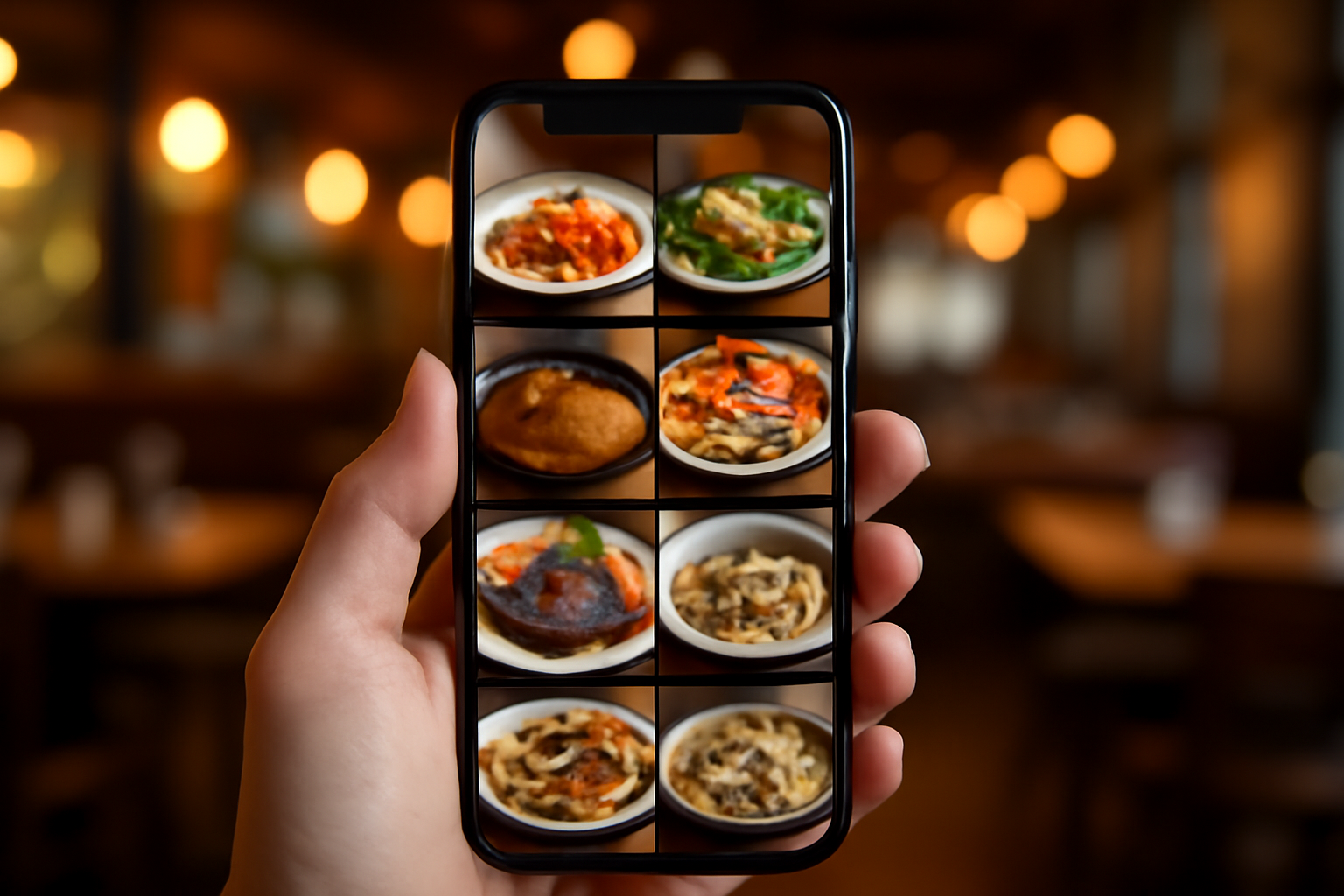
The Detroit Free Press promoted its critic's visit to e Fiori in Birmingham, Michigan, with a Facebook post inviting readers to "view the gallery" — a set of photos, a caption crediting critic Lyndsay C. Green, and a link out, surfaced here via Google News. No price range, no star rating, no dish names, and no verdict on the restaurant appear in the promotional post itself.
What did the Free Press actually publish?
The visible record is narrow: a Facebook post naming the critic, the restaurant, and the city, paired with photography and a prompt to click through. The post does not state whether the accompanying review is free to read, paywalled, or exists as a standalone article separate from the gallery. Readers arriving from the social post get pictures first and reporting, if any, second.
What's missing from the gallery post?
A restaurant review's basic utility to a reader — is the food good, what does it cost, is it worth a drive to Birmingham — is not present in the material distributed. There's no attribution of a rating scale, no menu pricing, and no quoted assessment from the critic. Without those, the post functions as an advertisement for a click rather than an accounting of what a diner would find at e Fiori.
Does the format tell readers anything about the writing behind it?
Not on its own. A photo gallery can accompany rigorous criticism or none at all; the format doesn't disclose which. That ambiguity is the kind of gap outlets are supposed to close with clear sourcing and bylines connecting promotional posts to the underlying reporting — a standard the Media Desk has previously examined in the context of correction and accountability practices, where the argument is that readers need a clear line back to the original claim, not just a headline and a link.
Why does this matter beyond one restaurant post?
Restaurant criticism carries real consequences for small businesses — a bad notice or a good one can move foot traffic. When the public-facing version of that criticism is a caption and a gallery link rather than text a reader can evaluate on the spot, the newsroom is asking for trust without showing its work in the same breath. That's a choice about distribution, not necessarily about the quality of Green's actual review, which was not available in the material reviewed here.
What would closing the gap look like?
At minimum, a promotional post could state whether the review is free or subscriber-only, and it could quote a single line of the critic's actual assessment rather than none. Absent that, readers are left to click on faith — a small thing on its own, but a pattern worth naming when local newsrooms increasingly route coverage through platforms that reward images over accountability.
Questions
Where is e Fiori, the restaurant reviewed by the Detroit Free Press?
The Facebook post identifies the restaurant as e Fiori in Birmingham, Michigan, without providing an address, price range, or menu details.
Who wrote the Detroit Free Press review of e Fiori?
The Facebook promotion credits critic Lyndsay C. Green, but the post itself does not include her written assessment of the restaurant.