news
Trail Blazers Fire New Broadcaster Hours After Hiring Over Old Posts
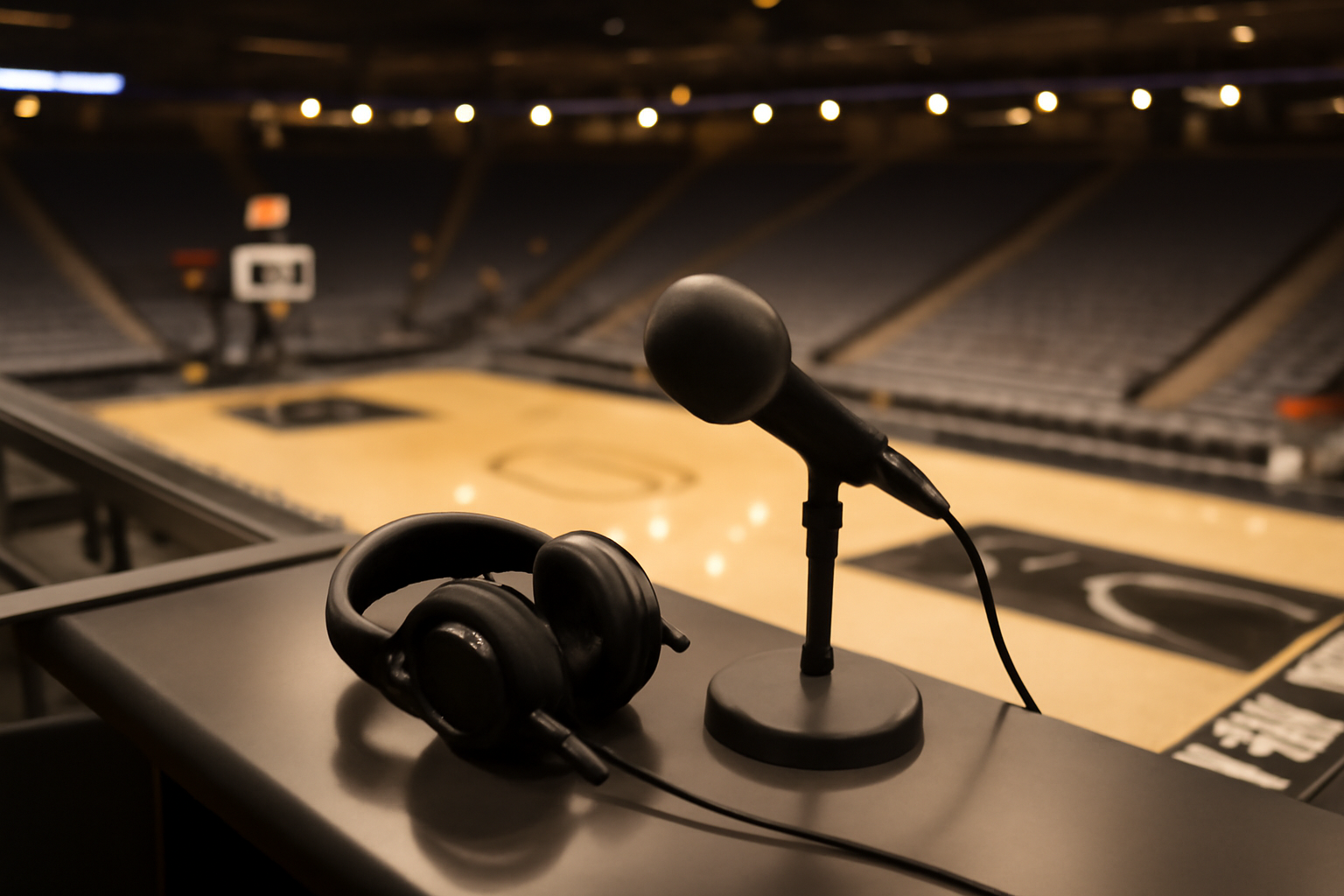
A Portland Trail Blazers broadcast hire was fired within hours of being announced after old social media posts described as racist and sexist surfaced, according to a report carried under the dual byline of The Athletic and The New York Times, as cataloged by Google News. The only sourced facts are the ones in that headline: a team, a job, old posts, and a firing clocked in hours rather than days.
What does the report actually confirm?
Strip the aggregation layer and the confirmed record is thin. A broadcaster was hired by the Trail Blazers. Social media posts attributed to that person, and characterized in the headline as racist and sexist, were identified after the hire went public. The person was fired. The gap between hiring and firing is described only as "hours," with no start time, no end time, and no stated source for who flagged the posts. That is the full extent of what the available reporting establishes.
What is missing from the story?
No name appears in the material reviewed for this piece. No excerpt or screenshot of the posts is quoted. No statement from the Trail Blazers organization, the broadcaster, or the platform that carried the original posts is cited. A story built around a personnel decision made in hours would normally carry a timestamp on the hire, a timestamp on the firing, and a line explaining how the posts came to light — whether through a reporter's search, a fan's screenshot, or an internal vetting process. None of that appears in the sourced version of this story. For a news outlet with the institutional resources of The Athletic and The New York Times, the absence of those basics is itself notable.
Why does the speed of the firing matter?
"Hours" is doing a lot of work in that headline without a number attached to it. Six hours and sixteen hours tell two very different stories about how a major professional sports franchise vets a broadcast hire before making it public. If the posts were visible on a public account before the announcement, the story is about a vetting failure. If they surfaced only after an outside party searched and publicized them post-hire, the story is about reactive crisis management. The available reporting does not distinguish between those two scenarios, and a reader cannot tell from the headline alone which one happened.
How does the double byline complicate accountability?
The story is attributed to both The Athletic and The New York Times in the same headline. That pairing is common when the two operate under shared ownership, but it also means a reader cannot easily tell which outlet's editors, which reporter, and which fact-checking process produced the specific sentence describing the posts as "racist" and "sexist." Those are serious characterizations. Attaching them to unnamed posts, without a direct quote or link to the original material, asks readers to trust a characterization rather than evaluate evidence. That is a reasonable editorial choice if the posts are genuinely inflammatory and reproducing them would amplify harm — but it is a choice, and naming it as one is more honest than treating the characterization as self-evidently settled.
What would a fuller accounting look like?
A more complete story would include an exact timeline — hire announced at a stated time, posts flagged at a stated time, termination confirmed at a stated time — plus a direct response from the team and, if reachable, the person fired. Newsrooms that publish corrections policies built around accuracy and accountability, the kind this outlet has written about before, generally hold themselves to that standard precisely because speed and specificity are not the same thing. A firing completed in hours is fast. A news story that tells readers it happened in hours, without saying how many, is not finished.
Until a fuller version of this story — with a name, a timestamp, and quoted material — appears from The Athletic, The New York Times, or the Trail Blazers organization itself, the headline stands as the most complete public account available, and it is a headline built on adjectives rather than documents.
Artiglio is A coming-soon iPhone chief of staff for briefings and drafts. Not on the App Store yet.
Questions
Who was the Trail Blazers broadcaster fired over old posts?
The available reporting, carried under a joint Athletic/New York Times byline, does not name the broadcaster.
How many hours passed between the hire and the firing?
The sourced headline says the firing came 'hours' after the hire but does not give a specific number of hours.