entertainment
What We Know About the NYT's 'Mamdani-Style' Mayor Video Story
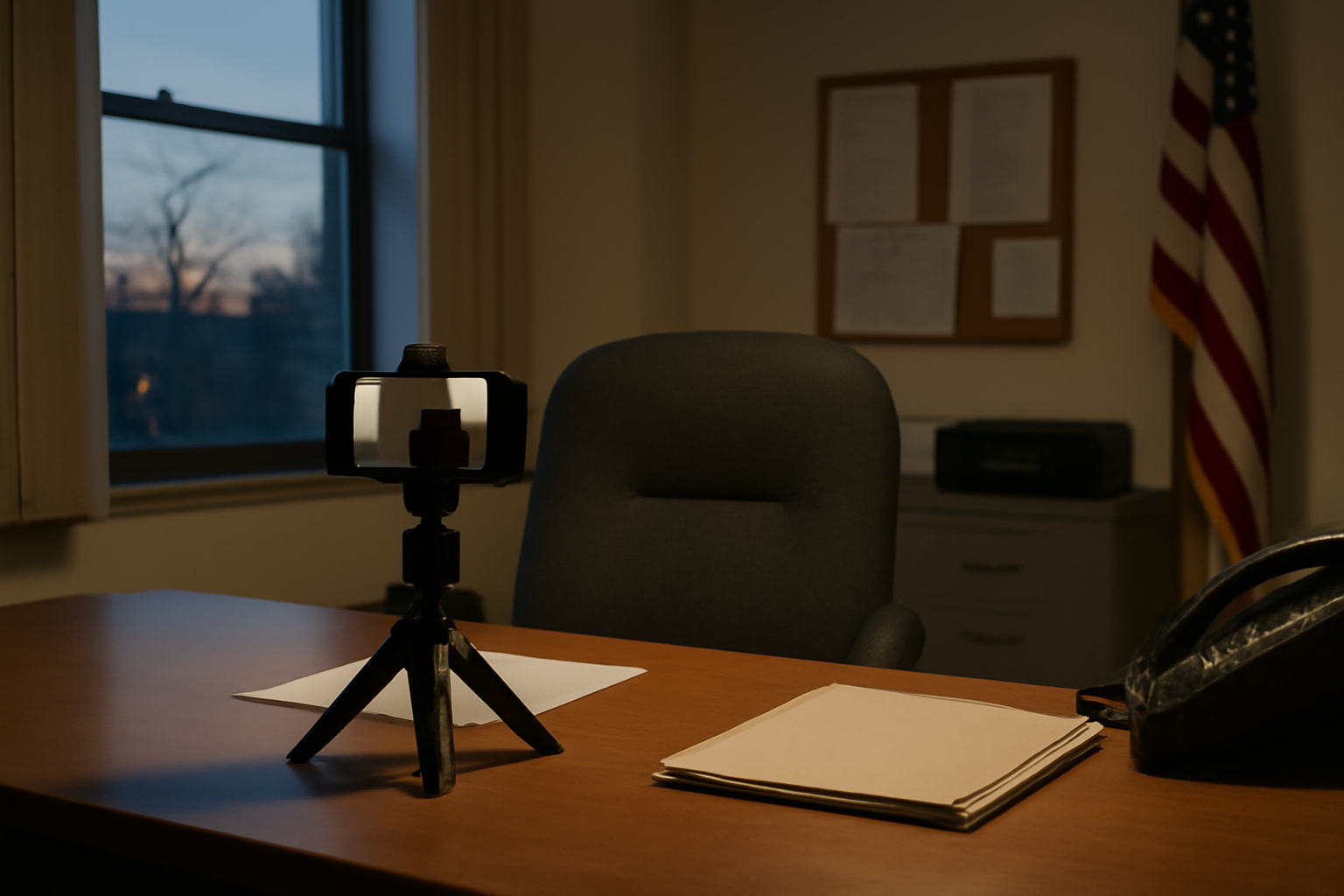
A New York Times headline this week claims a trend: mayors across the country are filming short, personal videos modeled on New York City Mayor Zohran Mamdani's social media style, and doing it with, in the paper's words, "varying degrees of cringe." That is the entire claim available for review. The original story is headline-only in the public feed at publication time, so what follows is a plain accounting of what the premise says and what it still needs to show its work.
What did the New York Times actually report?
The headline asserts two things: that mayors, plural, are filming videos "Mamdani-style," and that the quality of those videos varies, with some landing closer to embarrassing than others. Both are judgment calls. A trend story built on a style comparison and a cringe scale needs a list of who did it, when, and how the newsroom decided one mayor's video counts as more cringeworthy than another's. None of that detail is in the material available for this item.
Which mayors does the story name?
Unknown from the headline alone. "Mayors" is a broad word. It could mean two city executives or twenty. A trend piece usually earns the plural by naming enough examples that a reader can check the pattern themselves — a city, a date, a video link. Until the full text is checked against those specifics, the claim that this is a trend rather than a handful of unrelated clips remains an editorial framing choice, not a documented fact.
What does "Mamdani-style" mean here?
Mamdani built a reputation during his mayoral run and early term for short, direct-to-camera videos — the kind that skip a press office and go straight to a phone camera. That style is real and widely covered. What is not established by the headline is a definition of what counts as copying it. Is it the camera angle? The subway background? The casual tone? A story that borrows a politician's name as a style label owes readers a working definition before applying it to other officials.
Is "cringe" a reporting category or a value judgment?
This is the part worth stopping on. "Cringe" is not a metric. It is not view count, completion rate, or audience sentiment pulled from a platform's own analytics. It is a feeling, and feelings vary by viewer. A story that ranks public officials on a cringe scale without disclosing who is doing the ranking — the reporter, an editor, a focus group, social media replies — is publishing an opinion and presenting it with a reported byline. Readers deserve to know whether "cringe" reflects a documented reaction, such as mocking comment threads or declining engagement, or just the writer's own taste.
What's missing from the Times's account?
Three things stand out. First, no names of the mayors in question are visible in the available text, which makes the plural claim unverifiable from here. Second, no numbers: no view counts, no comparison of engagement before and after the supposed shift in style, nothing that would let a reader measure "varying degrees" against anything concrete. Third, no methodology for the cringe judgment itself — whether it is the writer's call, an aggregation of public reaction, or something else. HTT's own corrections policy, outlined here, treats unlabeled subjective judgment dressed as reporting as exactly the kind of thing that should be flagged and fixed, not waved through because the subject is mildly amusing.
What to watch
- Whether the full Times piece, once read in full, actually names specific mayors and cities, or keeps the claim general.
- Whether any engagement numbers — views, shares, comment counts — appear anywhere in the piece to back up the trend claim.
- Whether the word "cringe" is ever defined, attributed to someone other than the writer, or left as an unsourced aesthetic verdict.
- Whether other outlets independently confirm a wave of mayors adopting this video style, rather than citing the Times as the sole source of the trend.
None of this means the premise is wrong. Mayors mimicking a popular colleague's communication style is plausible and would not be surprising. But plausible is not the same as documented, and a single adjective — cringe — is doing a lot of unsupported work in a 50-degree-of-certainty news headline.
Questions
Did the New York Times name which mayors were filming Mamdani-style videos?
The headline and available text do not list specific mayors or cities, so the scope of the claimed trend is not yet verifiable from the source material reviewed here.
Is 'cringe' a measurable standard in the Times story?
No. Cringe is a subjective reaction, not a disclosed metric like view counts or audience sentiment data, and the available text does not explain how that judgment was reached.