politics
NEW YORK — Judge Extends Pause on Trump's CNN, MS NOW, Politico Ban
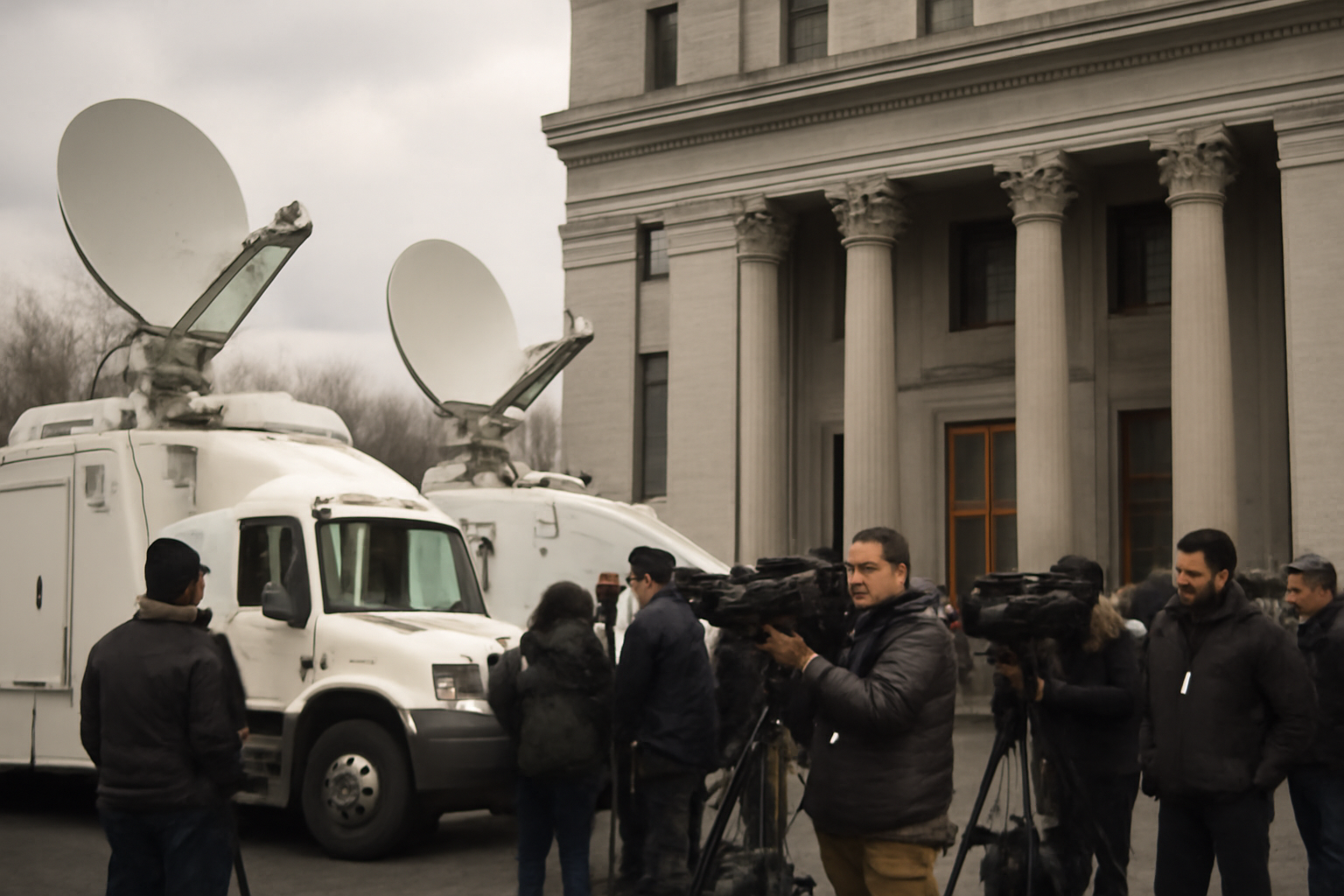
A federal judge has extended a pause on the Trump administration's attempt to bar CNN, MS NOW, and Politico, The New York Times reported. That is the headline, and it is nearly the entirety of what a reader gets from the wire pickup circulating under the Times banner. No judge's name. No court. No docket number. No date on when the original ban took effect or how long the new pause runs.
What did the judge actually extend?
The verb is "extends," which implies a prior order already existed and has now been lengthened. The Times headline does not say by how long, or state the legal standard the court applied — a temporary restraining order, a preliminary injunction, or something else. Those are not interchangeable terms; they carry different burdens of proof and different shelf lives. A reader who wants to know whether this fight is likely to be resolved in a week or a year cannot tell from the headline alone.
Why does the missing docket number matter?
In financial reporting, a story about a company facing an injunction would normally cite the case number, the court, and the filing itself, because readers and investors need to verify the claim independently. The same discipline applies to a press-freedom dispute. Without a docket number or a link to the order, there is no way for an outside reader — or a competing outlet — to check whether "extends" means the court simply kept an existing stay in place or whether it issued new findings. The Times' own account, as surfaced through Google News, supplies none of that.
Why are CNN, MS NOW, and Politico grouped together?
MS NOW is the outlet that now occupies the television real estate once branded MSNBC. Grouping it with CNN and Politico in one sentence suggests the administration's action targeted a specific set of newsrooms rather than the press corps broadly, but the headline does not explain the common thread — whether it was a credentialing decision, a briefing-room restriction, or something else entirely. That distinction changes the story. A ban on White House press passes is a different legal and civic question than a ban on, say, a specific press pool rotation, and readers deserve to know which one is in dispute.
What happened to the original ban, and what happens next?
The word "pause" implies the ban itself is not resolved, only suspended. That raises the obvious follow-up questions: Has the administration said whether it will appeal? Have CNN, MS NOW, or Politico issued statements? Is there a hearing date on the calendar? None of those answers appear in the material available through the Google News link. A story about an ongoing legal dispute involving three newsrooms is, by definition, not finished, and a headline-only treatment leaves the reader exactly where the dispute leaves the outlets involved: in a holding pattern, with no resolution date.
Does this fit a broader pattern in how outlets handle correction and accountability?
The Failing New York Times has argued elsewhere that newsroom accountability depends on naming the specific gap in a story rather than asserting a conclusion and moving on. The same standard applies here. It is possible — likely, even — that the full Times article contains the judge's name, the court, and the legal reasoning that the aggregated headline omits. But the version circulating to readers through search and social feeds is the headline and little else, and that version does not meet the bar the Times sets for itself when it demands sourcing and specificity from the officials it covers.
Until a docket number, a judge's name, or a quoted order surfaces, the only verifiable fact is the one in the headline: a pause has been extended. Everything else — scope, duration, and what comes next for CNN, MS NOW, and Politico — remains outside the record available to the public.