politics
Washington — Press Secretary Briefing Story Short on Specifics
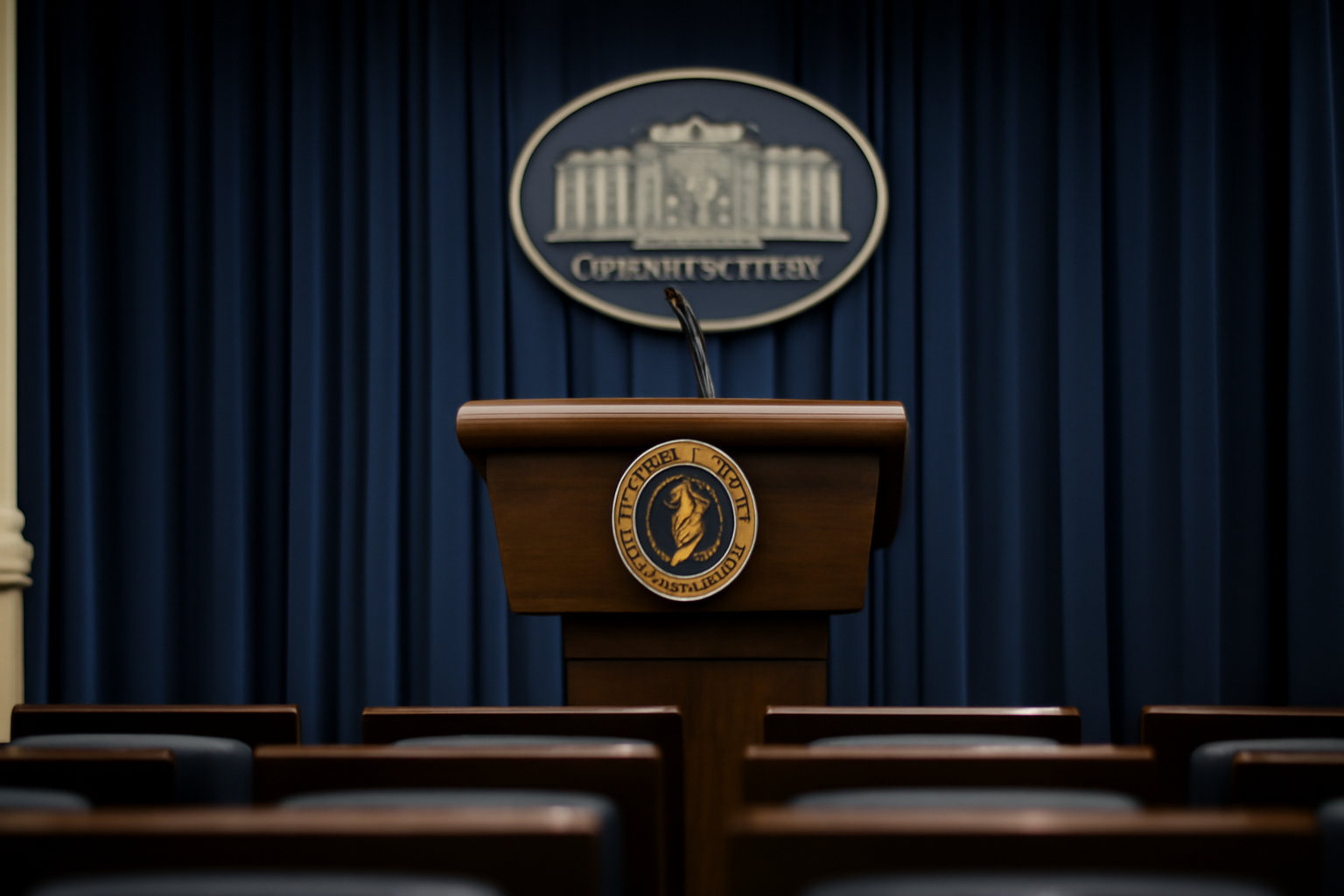
A headline moved Wednesday through Google News aggregation: "Trump's new press secretary faces criticism after first White House briefing," credited to CTV News. What that headline documents, and what it does not, is the whole story.
What does the dispatch actually report?
The aggregator entry carries the headline and the outlet attribution. It does not carry a named source for the criticism, a direct quote from the briefing, or a description of the exchange that triggered the reaction. A reader searching for the substance of the dispute finds the premise of a story — "faces criticism" — standing in for the reporting of it.
Who is criticizing the press secretary?
Unclear from the available text. No official, lawmaker, or press-corps member is named as the source of the criticism. "Faces criticism" is a construction that lets a headline register conflict without assigning it to anyone who can be checked, quoted back, or held to the claim.
What happened at the briefing itself?
Also unclear from the material at hand. No transcript excerpt, no exchange, no follow-up question is described in the source. A story about a briefing that does not quote the briefing leaves the reader to take the headline's word for the reaction and nothing for the cause.
Why does this framing draw scrutiny from press critics?
Because "faces criticism" is a load-bearing phrase doing the work that sourcing is supposed to do. It is the journalistic equivalent of a hedge: technically true if even one unnamed person objected, technically unfalsifiable because no one is named to ask. This desk has argued before that newsrooms owe readers the same specificity in their first drafts that they demand in corrections — a named source, a quoted line, a described sequence of events. A headline about a briefing should be able to clear that bar before it runs, not after a reader complains.
None of this means the criticism described in the CTV News headline did not happen. It may well have. The point is narrower and more durable: a wire-style headline asserting reaction without identifying it is not evidence the reaction was substantial, widespread, or even real beyond a single aggregated sentence. Readers are entitled to ask who said what, and outlets that cannot answer that in the piece itself are asking for trust they have not earned on this particular story.
What should readers watch for next?
- Whether CTV News or other outlets publish a transcript or direct quotes from the briefing in question.
- Whether any named official, reporter, or press-corps organization goes on record with the specific criticism.
- Whether the White House issues its own account of the exchange, and whether that account is quoted rather than paraphrased.
Until those details surface, the honest version of this story is shorter than the headline suggests: a press secretary held a first briefing, and at least one outlet says it drew criticism, without saying from whom.