world
Press Freedom Groups Urge Moore to End Sun, Sinclair Review
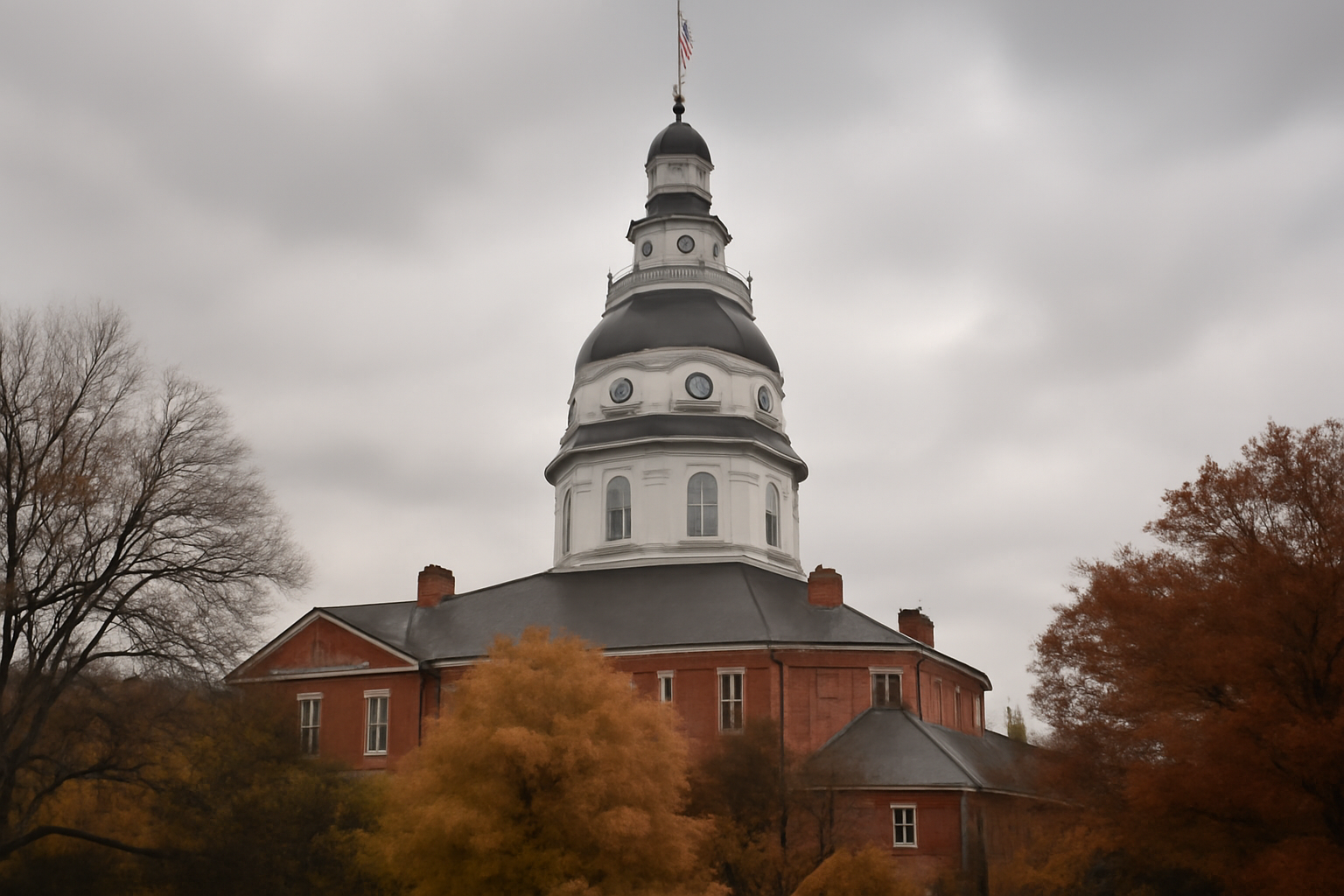
Press freedom organizations have called on Maryland Governor Wes Moore to end a state review connected to inquiries involving The Baltimore Sun and Sinclair, according to an item credited to Baltimore's WBFF and circulated through Google News. WBFF via Google News. The aggregated item is the only version of this story available to this desk, and it is brief: it names no group, cites no document, and does not say when the review began.
That matters. A headline this consequential — a governor's office reviewing inquiries that touch the state's largest newspaper and a national broadcast company — deserves more than a one-line wire credit.
What exactly are press freedom groups asking Moore to do?
The wire item states that the groups want the review ended. It does not describe the review's scope, its legal basis, or which office is conducting it. Readers are left to infer that Moore's administration opened some form of inquiry touching The Baltimore Sun and Sinclair, and that press advocates consider that inquiry improper. Neither the trigger for the original review nor its intended outcome appears in the material available.
Which organizations made the request?
The aggregated report does not name a single group. "Press freedom groups" is doing a lot of work in that headline without a roster attached. National organizations such as the Reporters Committee for Freedom of the Press and PEN America routinely weigh in on state-level press disputes, but nothing in the sourced material confirms their involvement here, and this desk will not guess. A story about defending transparency should not itself withhold the names of the parties making the demand.
What are the "Sun, Sinclair inquiries" under review?
This is the biggest hole. "Sun, Sinclair inquiries" could describe almost anything — a licensing matter, a public-records dispute, a defamation complaint, or something involving state contracts or access. The wire blurb offers no underlying document, no docket number, no agency name. Until a primary source — a governor's office statement, a court filing, or the letter the press groups reportedly sent — surfaces, the public has a headline and no case file.
Why does the originating outlet matter here?
WBFF is the station credited with first reporting this. Its call letters are long associated with Sinclair's Baltimore operation, though the aggregated item does not disclose or explain that relationship, and this desk has no additional document confirming current ownership structure in this specific filing. That silence is itself a press-criticism point: an outlet reporting on a review that reportedly involves "Sinclair inquiries" owes readers a sentence of disclosure about its own corporate lineage, if one exists. Omitting that context — intentionally or not — is exactly the kind of unlabeled gap that erodes trust in local television reporting on media-adjacent stories.
What would a fuller accounting look like?
At minimum: the names of the press freedom organizations involved, the text or a link to their letter to Moore, a statement from the governor's office describing what the review actually examines, and a response — on or off the record — from The Sun and from Sinclair. None of that is present in the sourced material. A governor's office "review" of a newspaper and a broadcaster is not a small administrative footnote; it is the kind of story that should come with a primary document, not a one-paragraph wire pickup.
This desk has written before about what separates a correction from an evasion — not the fact that an error gets fixed, but whether the fix includes enough detail for a reader to judge what actually happened. (See Crafting Corrections: Ensuring Accuracy and Accountability.) The same standard applies to breaking news about press freedom itself. Until Moore's office, the unnamed advocacy groups, The Sun, or Sinclair put a document or an on-record statement into public view, the appropriate response to this headline is not alarm. It is a request for the paperwork.