news
Oregon Orchard Dump Site Story Skips Names and Location
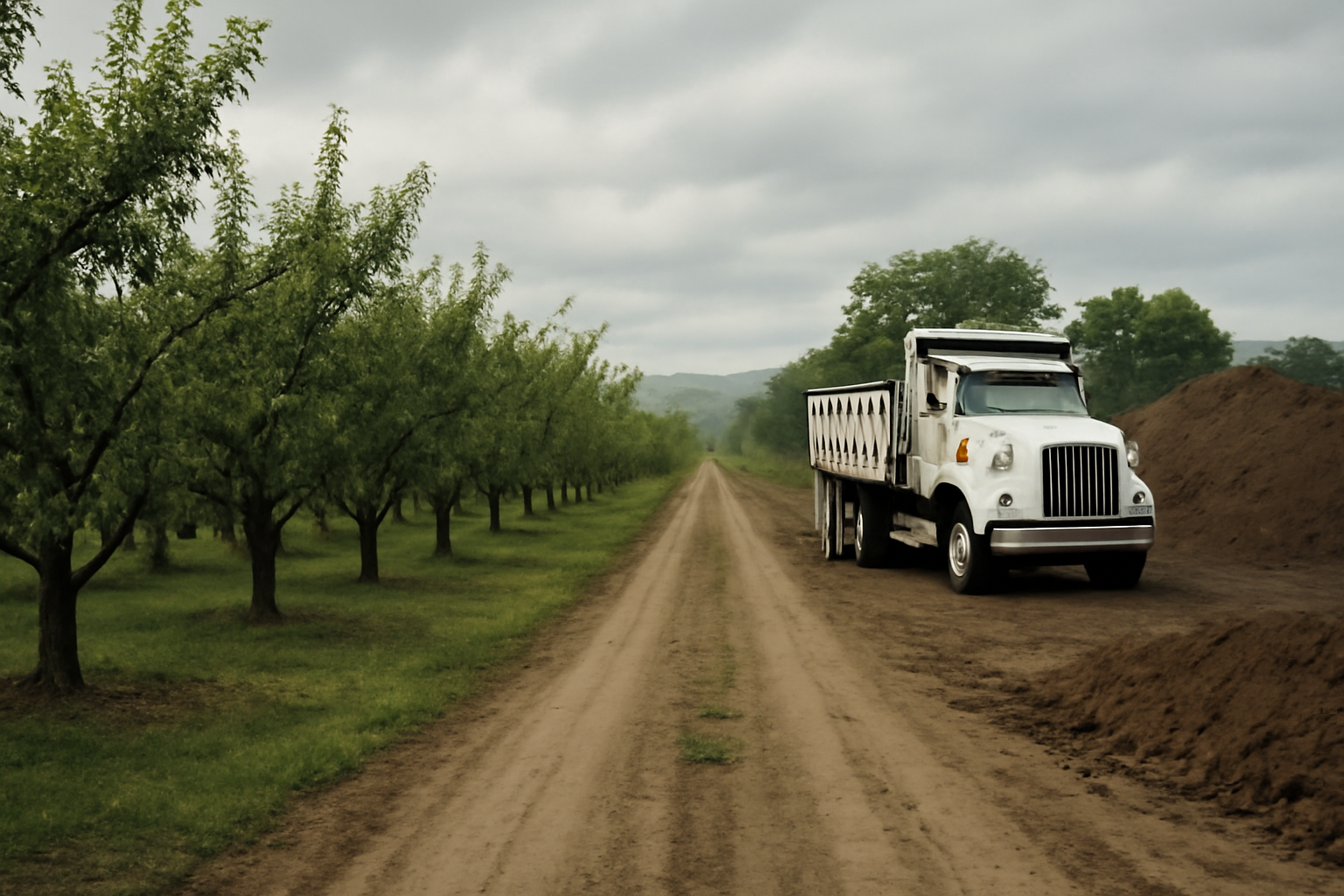
A Capital Press story surfaced on Google News carries one headline: critics are challenging the approval of an Oregon orchard dump site as a permitted "farm use." That is the entire story available in the wire feed. No county. No agency. No named critic. No citation to the Oregon statute or administrative rule that defines "farm use" in the first place.
This is not a complaint about the underlying dispute, which may be real and may matter to the growers and neighbors involved. It is a complaint about the version of the story that reached readers through aggregation — a headline with no body attached, dressed up to look like news.
What does the Capital Press story actually say?
The only text available is the headline itself: critics challenge an orchard dump site's approval as farm use. Capital Press is an agricultural trade outlet, and the subject sits squarely in its coverage area. But the Google News snippet strips away everything a reader needs to evaluate the claim — who filed the challenge, which county permitting body approved the site, and what kind of material is being dumped. A reader cannot tell from the feed whether this is a zoning appeal, a state land-use board filing, or a letter to a county commission.
Who are the "critics"?
The word "critics" in the headline is doing a lot of work with no backup. It could mean a neighboring landowner, an environmental group, a competing orchard operator, or a single commenter at a hearing. None of those possibilities are distinguished in the material available. A story that names its critics lets readers judge standing and motive. A story that does not leaves the word to carry whatever weight the reader wants to assign it.
A headline that says "critics challenge" without naming a single critic is asking readers to trust an unnamed source they cannot evaluate.
What does "farm use" mean under Oregon law?
Oregon's land-use system treats "farm use" as a specific legal designation, not a casual description, and that distinction is the entire premise of the dispute referenced in the headline. Whether a dump site qualifies turns on how the approving authority applied that designation to this parcel. The available material does not identify the deciding body, the application, or the rule it relied on. Without that citation, a reader cannot independently check whether the approval was routine or contested on its face.
Where is the site, and when was it approved?
Neither the headline nor the accompanying summary names a county, a city, or a date. An Oregon reader searching for this story has no way to know if the orchard in question is in the Willamette Valley, the Rogue Valley, or elsewhere in the state. Location and timing are not stylistic flourishes. They are the minimum facts that let a reader confirm a story is real and current rather than recycled.
What would a complete version of this story look like?
A fuller account would name the permitting authority, quote at least one of the critics on the record, cite the Oregon statute or administrative rule governing farm-use designations, and specify what is being dumped at the site. It would also note whether the orchard operator or the approving agency responded to the challenge. The site's own Crafting Corrections piece argues that accountability starts with naming sources and sourcing claims; this headline does neither.
Why the aggregation gap matters
This is a pattern, not an isolated gap. A separate piece from this desk on a San Francisco airport contractor sharing facial data with federal agencies ran into the same problem: a headline claim that outruns the sourcing attached to it. Readers who rely on aggregated feeds for local land-use and regulatory news are increasingly handed a verdict — "critics challenge" — without the underlying record. The fix is not complicated. Name the critic. Name the county. Cite the rule. Until Capital Press's full story is available with those details, the claim in the headline is unverifiable as published.