politics
Zero Docket Numbers: NYT's 'Worst Polluters' Story Skips the Rule
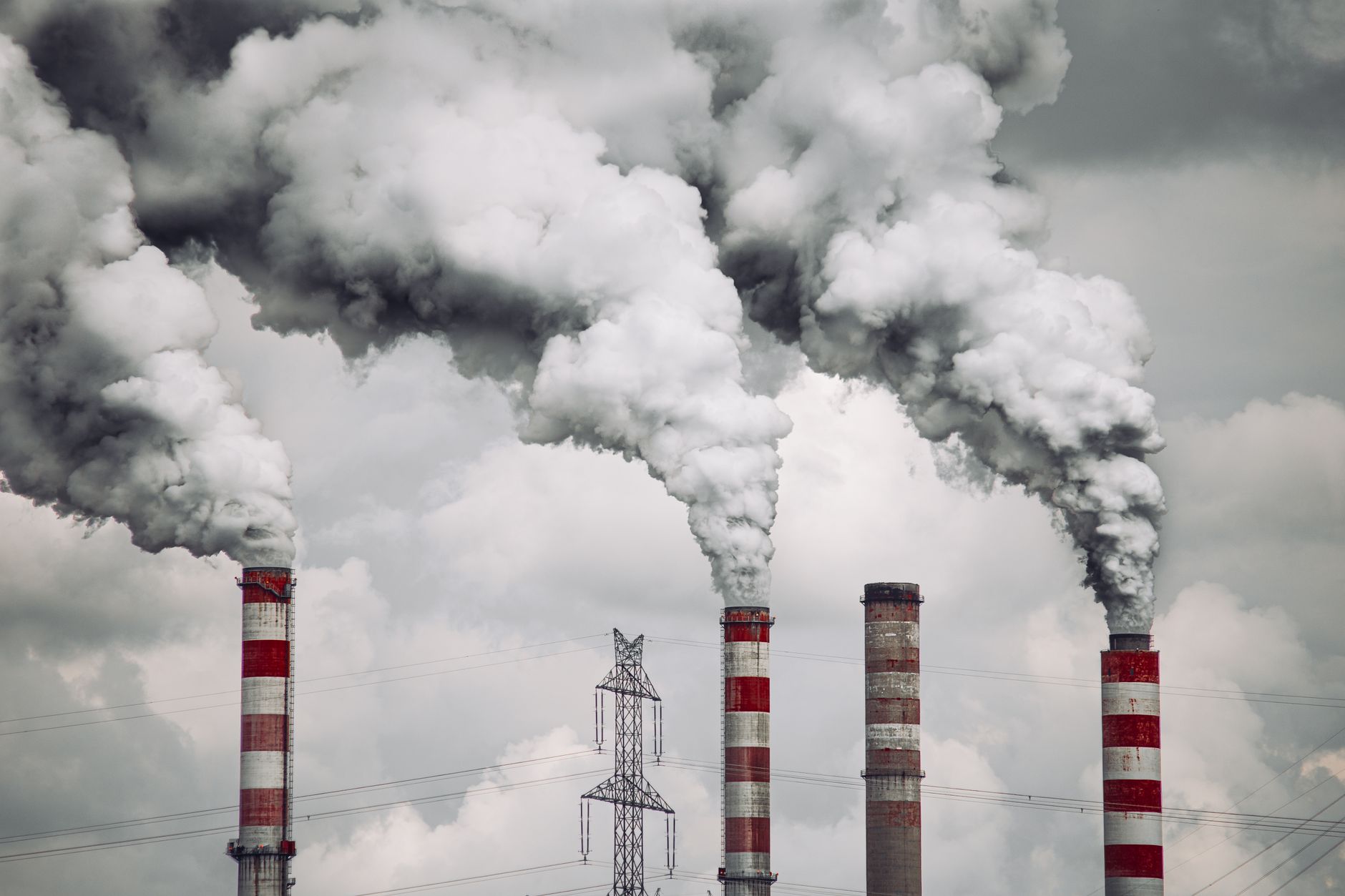
The New York Times published a piece headlined "How Trump Gave the Worst Polluters a Free Pass," distributed through Google News. The story carries the kind of headline that is designed to be felt before it is checked: "worst," "free pass." Neither word is a regulatory term. Both are judgments the reporter is making for the reader rather than letting a rule or a docket make for itself.
What rule, EPA docket, or Federal Register notice does the headline point to?
The headline asserts a policy outcome — polluters freed from obligations — without naming the mechanism that supposedly freed them. A policy-wonk reading of any environmental rollback starts with the instrument: Is this a rescinded Clean Air Act rule? A withdrawn Clean Water Act permit requirement? A deregulatory action under the Administrative Procedure Act that is now subject to notice-and-comment or court review? The headline and the available link do not surface a docket number, a Federal Register citation, or an agency statement that a reader could pull up and verify independently.
Who, specifically, is a "worst polluter"?
"Worst" implies a ranking — by tonnage, by Toxics Release Inventory data, by EPA enforcement history. A ranking needs a metric and a source: EPA's own enforcement database, a state environmental agency, or a peer-reviewed emissions inventory. None of that is attached to the headline as distributed. Readers are being asked to accept a superlative on the strength of the newspaper's word choice, not a cited figure.
Does "free pass" describe a legal change or an enforcement choice?
Those are different things with different paper trails. A legal change shows up in the Federal Register or in a court docket challenging it. An enforcement choice shows up in EPA inspection and penalty data, or in a Government Accountability Office or Inspector General report. Collapsing both into "free pass" is a storytelling shortcut, not a regulatory description, and it is the exact shortcut a policy-wonk framing is supposed to resist.
What would a sourced version of this story require?
At minimum: the rule or guidance being changed, cited to its docket or Federal Register entry; the agency's own public statement on the action, quoted directly rather than paraphrased; and a named data source for any claim about which facilities or sectors benefit. Absent those, the headline is an argument wearing a news format.
Why does this outlet keep flagging the missing citation instead of the politics?
Because the politics of environmental rulemaking are legitimately contested — industry and environmental groups read the same Federal Register notices and reach opposite conclusions about cost and risk. That argument deserves the underlying document, not a label. This outlet's own corrections policy, laid out here, treats an unsourced numeric or legal claim as a correction-worthy gap, not a stylistic choice. The same standard applied to a national paper's headline is not a double standard. It is the standard.
Questions
Does the New York Times headline name a specific EPA rule or docket?
Based on the available Google News listing for the story, no docket number, Federal Register citation, or agency statement is attached to the headline claim.
What would verify a claim that Trump gave 'the worst polluters' a free pass?
A verifiable version would cite the specific rule or enforcement change, its Federal Register or court docket number, and a named emissions or enforcement data source ranking the facilities involved.