politics
Justice Department Probes TV Networks Over Trump Pool Coverage
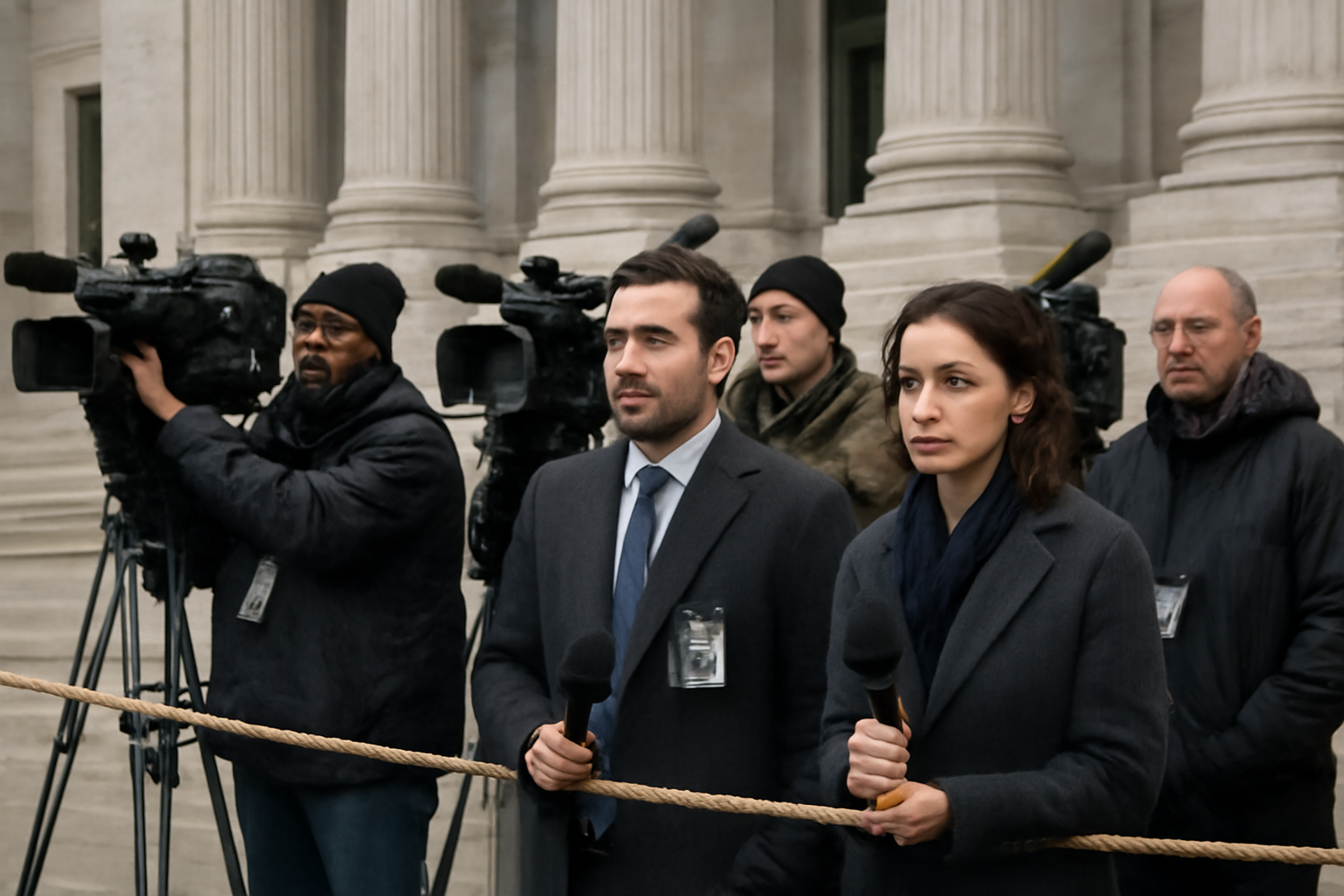
Reuters reported that the Justice Department is examining television networks' pool coverage of President Trump, a story that moved on the wire and was picked up by aggregators within hours. The wire item, flagged by Google News under the heading "New York Times media," is the only public confirmation of the inquiry at this writing. Read the Reuters dispatch.
What exactly did Reuters report?
The headline states the Justice Department is probing networks over their pool coverage of Trump. Pool coverage is the long-standing arrangement in which a small rotating group of reporters and camera crews covers an event on behalf of the full press corps, sharing footage and notes rather than crowding the space with every outlet's staff. Beyond that framework, the wire item circulating does not specify which networks are under review, what provision of law or regulation is cited, or what triggered the inquiry.
What's missing from the initial account?
A reader asking the obvious follow-up questions — which networks, which pool rotation, which statute — finds no answers in the material available. That is not a minor gap. A federal probe of news organizations' coverage arrangements is the kind of story that normally arrives with a document: a letter, a subpoena, a court filing, a DOJ press release. None of those appear in the sourcing reviewed here.
By the numbers
- Networks named in the available report: 0
- Legal basis cited: not specified
- Primary document linked in the wire item: none located
That is an unusual amount of blank space for a story already generating headlines.
Why does pool coverage draw this kind of scrutiny?
Pool arrangements exist because of physical constraints — not every network can fit a crew into the Oval Office or a small briefing room — and disputes over who controls access to the pool, or how footage is distributed, have flared before. Access fights are not new. What would be new is a Justice Department role in adjudicating them, which is why the absence of specifics in the initial report matters more than it might for a routine media story.
How does this fit broader accountability standards?
Newsrooms that take corrections seriously generally attach sourcing, documents, and named officials to claims this significant, a standard this outlet has argued for in its own discussion of correction practices. A wire headline alone, stripped of the underlying filing or spokesperson statement, is a thin foundation for a story about the federal government examining the press.
What should readers watch for next?
The test will be whether Reuters, the Justice Department, or the networks themselves release a document, statement, or named spokesperson confirming scope and legal basis. Until then, the story is a headline in search of a body.